12 EXOTIC COOKING METHODS

Cooking is a universal art, yet it's fascinating how different cultures have developed unique techniques to prepare their traditional dishes. Among these methods are some truly exotic approaches, such as baking naan bread in a tandoor oven or using steam to cook. These techniques not only impart distinct flavors and textures to the food but also reflect the rich cultural heritage and ingenuity of the communities that use them.
Come find some exotic cooking methods aroung the world!
In this culinary exploration, we'll delve into these exotic cooking methods and discover how they are employed to create mouthwatering dishes that have stood the test of time. From the fiery heat of the tandoor oven to the earthy simplicity of the kangina preservation process, each method offers a glimpse into the culinary traditions and rituals of its respective region. Join us on a journey to uncover the secrets behind these exotic cooking techniques and the delectable dishes they produce.
Tandoor Oven Method: The traditional method of baking naan, an ancient and traditional Indian bread, involves using a clay oven called a tandoor. However, if you're making it at home and don't have a tandoor, you can use a skillet or hot griddle.

Maori Hangi Method: A Maori method, used by the people of New Zealand, of cooking food underground. A pit is dug and filled with heated stones. The food is placed in baskets over the stones, covered with leaves and soil, and left to cook slowly for several hours.

Pit Roasting Method: Indigenous Americans (from North to south) traditionally cooked food in pits covered with hot stones. Meat, fish, and vegetables were wrapped in leaves and placed in the pit to cook slowly. Pit Roasting Method is similar to the Maori Hangi Method, both of them involve cooking food in a hole in the ground, but there are some differences between them: in Pit Roasting, a hole is dug in the ground and filled with hot stones. The food is placed over the stones and covered with materials such as leaves, soil, or sand to cook slowly. In a Hangi, the pit is prepared similarly, but the stones are heated with fire before being placed in the pit, creating a steam-cooking environment.
Tagine Method: A clay dish, used as a pan, with a conical lid to cook slow and flavorful stews, typical of Marrocos. The unique design of the tajine allows the food to cook evenly and retain its natural juices.

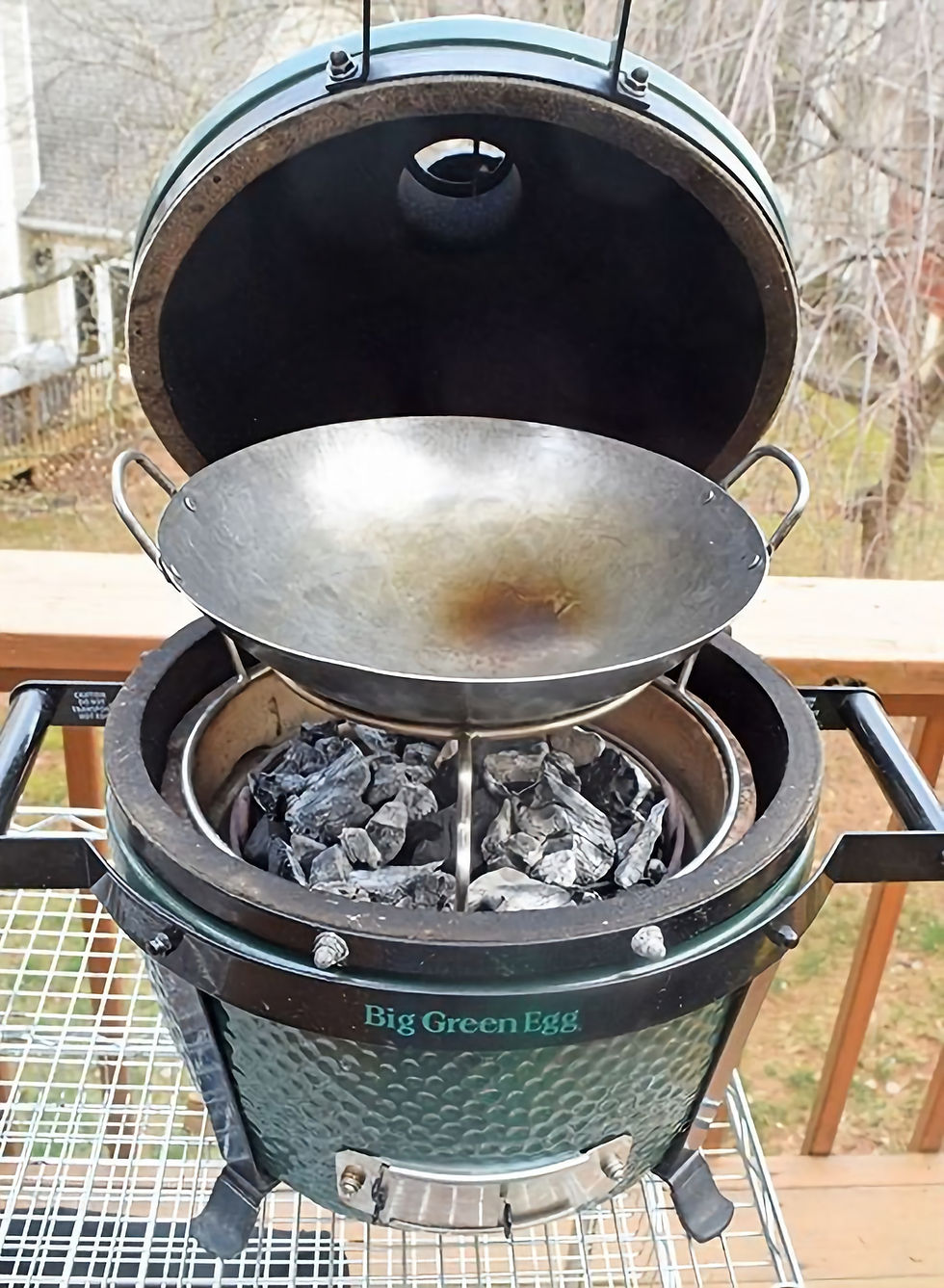
Kamado Method: A ceramic stove traditionally used in Japan to cook rice, fish, and vegetables. The kamado uses charcoal or firewood it has a lid the retains heat efficiently and produces juicy and flavorful results.
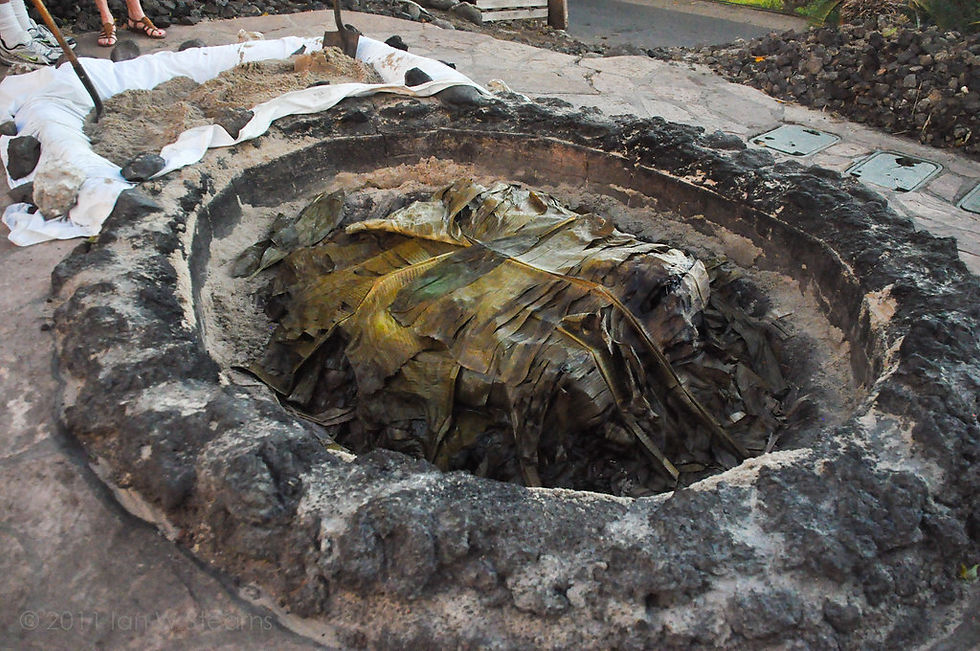
Umu Method: The umu is a traditional cooking method used in the Pacific island Samoa. It involves digging a hole in the ground, where hot volcanic stones called umu cooks the food. The food is then wrapped in banana leaves and placed over the hot stones to cook slowly.

Imu Method: Similar to the hangi method, the imu is an underground oven used in Hawaii to cook traditional dishes like kalua pork. The pork is wrapped in banana leaves and placed over volcanic hot stones inside the imu, where it is cooked slowly for several hours.
Chorkor Oven Method: A clay stove named Chorkor, in honor of a fishing village in suburb Ghana's capital, Accra. The chorkor is designed to cook food on an open grill, using charcoal or wood as a heat source. It is especially used for grilling fish and seafood.

Roasting Box Method: Known as Caja China or Chinese Box, this Cuban cooking method involves roasting whole meats, such as pork or lamb, inside a wooden box covered with metal. Heat is applied to the top of the box, resulting in juicy and flavorful meat.

Corn Husk Method: A traditional technique used in the preparation of mexican and brazilian dishes like tamales and pamonha. To make them, wrap the corn dough into the corn husks and boiled or steamed them until cooked through. The corn husks help hold the mixture together while imparting a unique flavor to the dish.

Bamboo Steamer Method: a traditional tool for cooking food healthily and deliciously. It is made of natural bamboo and features multiple stacked layers, allowing different foods to be cooked simultaneously, with steam circulating between the layers. This cooking method preserves nutrients and enhances the natural flavors of the food, being widely used in asian cuisine.

Barreado (brazilian) Method: It is traditional from a specific region of Brazil, the coastal area of Paraná. It's a slow cooking technique in a sealed clay pot with manioc flour, to achieve a result resembling pressure cooking, but with much less liquid and much more time, concentrating flavors in an incredible way.

These methods exemplify the creativity and ingenuity of culinary cultures around the world, each offering a unique way to prepare and enjoy food.
If you enjoyed and want to learn about more exotic culinary methods, check out the list of:


Comments